


The Difference Between Smart Glass and Traditional Glass in Office Environments
A shift in concept and experience within modern workspaces
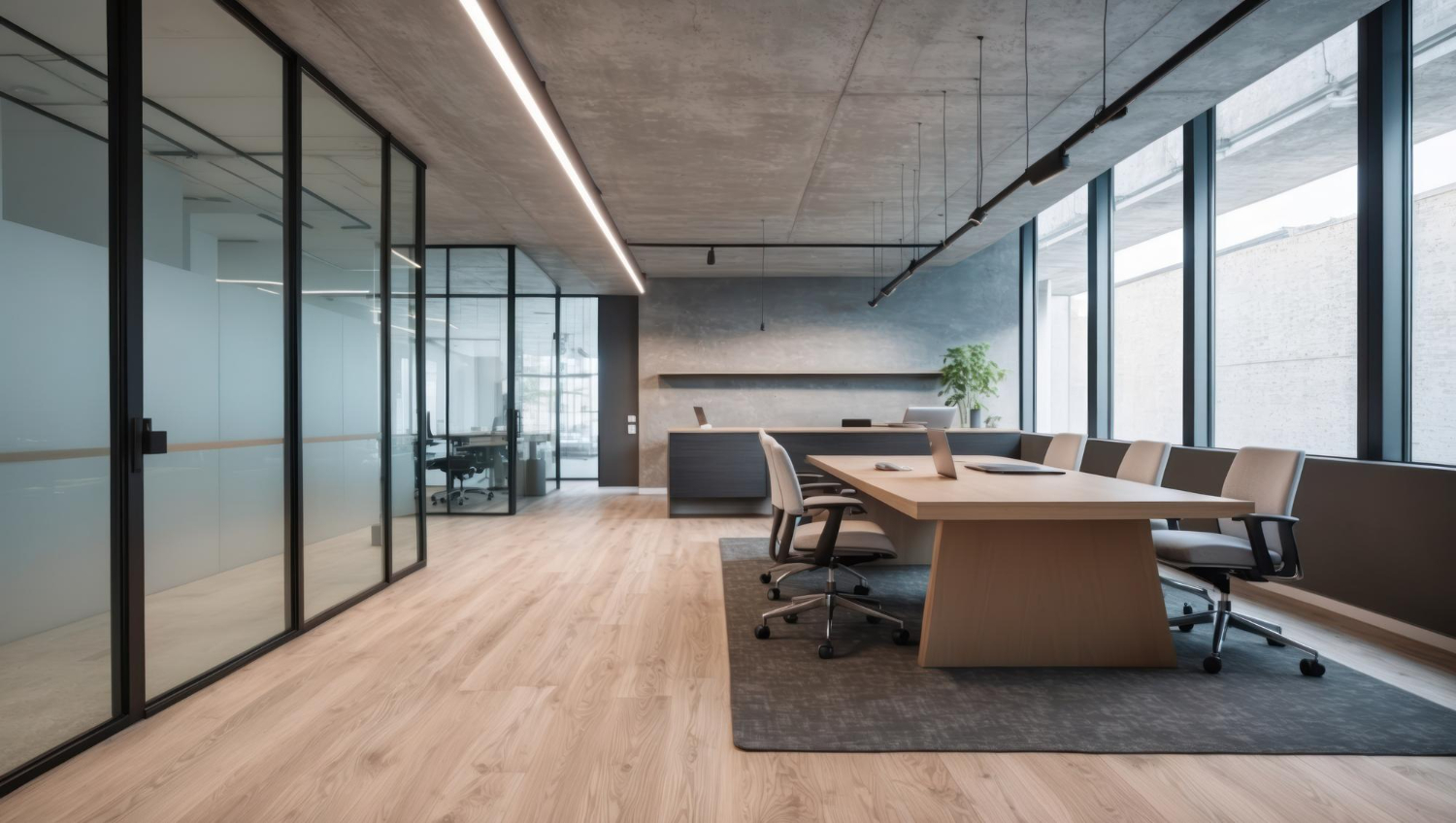
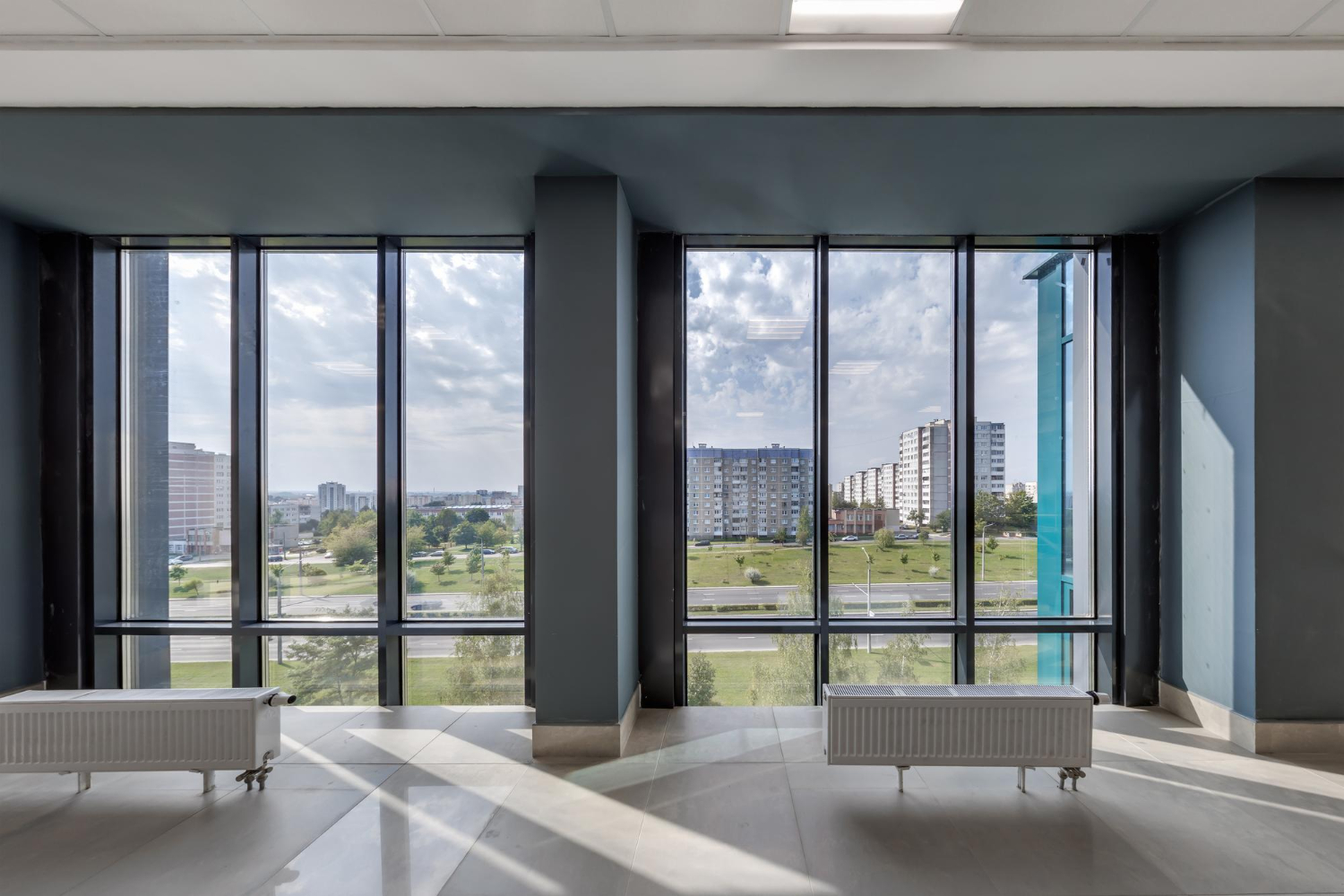
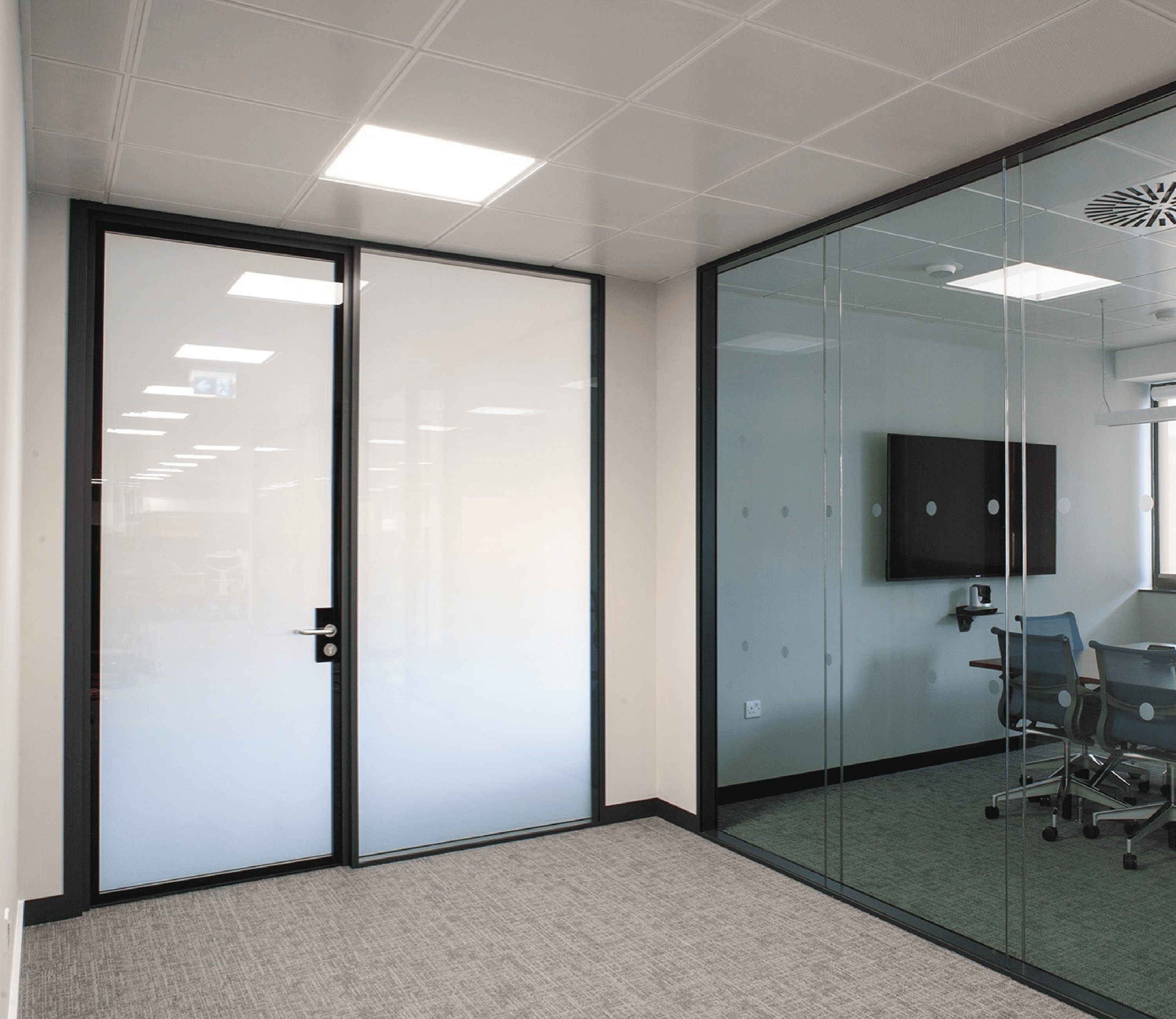
In today’s office design, glass is no longer just an architectural element for separation or decoration. It has become a tool for creating more harmonious, comfortable, and efficient workspaces. With the introduction of smart glass, the differences between it and traditional glass have become increasingly clear—not just in appearance, but in performance and the overall impact on employee experience and daily operations.
- Traditional Glass: Limited visual separation and static transparency
Traditional glass has long been a go-to choice for open-plan offices and meeting rooms, offering transparency that allows natural light in and creates a sense of spaciousness. However, its static nature lacks flexibility—it doesn’t offer adjustable privacy, and often provides insufficient thermal or acoustic insulation. It can cause visual discomfort or distractions in focus-driven environments and usually requires additional solutions like blinds or panels to balance openness and privacy.
- The impact of conventional performance on the work environment
While traditional glass may enhance overall lighting, it doesn’t give organizations real control over their environment—potentially affecting employee productivity and meeting confidentiality. Achieving acceptable comfort levels often requires support systems such as window coverings or manual lighting and climate adjustments, adding operational effort and long-term costs. Over time, challenges with maintenance and insulation emerge, highlighting the need for more adaptable solutions in dynamic office settings.
- Glass as a design element—or an intelligent tool for interaction?
In offices that use traditional glass, it remains a passive design feature that doesn’t interact with its surroundings. It cannot adapt to changing light or varying privacy needs, nor does it reflect the “smart” approach that modern offices increasingly pursue. By contrast, smart glass represents a shift toward more flexible workspaces, where walls are no longer seen as fixed boundaries—but as responsive elements that adapt, enhance user experience, and add real functional value beyond aesthetics. This is the fundamental difference between a conventional choice and a future-ready workspace.
